Starting fertility care involves more than choosing IVF: the first steps establish whether ovulation, sperm production, the fallopian tubes and the uterus are contributing to the difficulty. By the end, you will know what to bring to a consultation, which tests may be proposed, how treatment choices are made and what to confirm before consenting.
Key takeaways
- Seek evaluation after 12 months under age 35 or 6 months at 35 and older.
- Do not delay care for irregular periods, endometriosis, or known fertility problems.
- Ask which tests both partners need before choosing a treatment plan.
- Confirm costs, timelines, follow-up, and alternatives before starting treatment.
When to seek an infertility specialist and what the terms mean
Seek an infertility specialist in Pune after 12 months of regular unprotected intercourse if the woman is under 35. Start evaluation after 6 months when she is 35 or older; do not wait for these thresholds when you have:
- Irregular or absent periods
- Suspected endometriosis or tubal disease
- Previous pelvic surgery or pelvic infection
- Recurrent miscarriage
- Previous chemotherapy
- Erectile or ejaculation problems
- A known male-factor risk
- Suspected low ovarian reserve
“Infertility” and “subfertility” are used differently by clinicians. Infertility may describe difficulty conceiving after the expected period of trying, while subfertility often recognises reduced fertility with a possibility of natural conception. Neither label replaces an individual assessment.
Testing urgency depends on several details, not the label alone:
- Your age and duration of trying
- Previous pregnancies and their outcomes
- Known reproductive conditions
- Response to earlier treatment
The evaluation may find a female factor, a male factor, combined factors, or no immediate explanation. That result shapes the next step rather than proving that treatment is unnecessary.
The subfertility treatment process in Pune can begin with investigation, medical correction or observation before assisted reproduction. Attend with your partner when possible, because assessing ovulation, the uterus and tubes, sperm production and sperm delivery prevents avoidable delays. A specialist may recommend treatment for one partner, both partners, or neither immediately.
What happens at an infertility treatment consultation in Pune
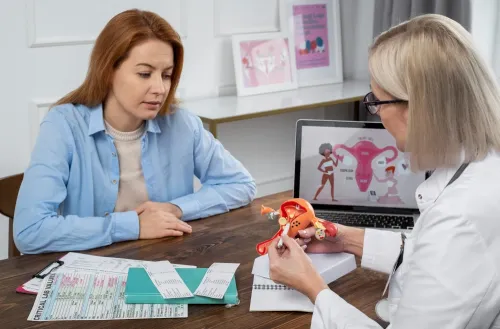
Both partners should attend an infertility treatment consultation in Pune, bringing cycle records, medication lists and previous reports. The clinician uses the visit to find problems that need correction before fertility treatment, rather than moving straight to procedures.
1. You will be asked how long you have tried, how often and when you have intercourse, and whether periods are regular, their usual length, and signs of ovulation. The history includes prior pregnancies, miscarriages, abortions, pelvic infections, endometriosis, operations, chronic illnesses and family history.
2. The clinician will ask about erection, ejaculation, pain during sex and other intercourse difficulties. List every prescription, over-the-counter medicine, supplement, tobacco exposure and alcohol use for both partners; omissions can hide a correctable cause.
3. The clinician reviews menstrual charts, ovulation records and previous scan, blood-test or semen reports. Examination is guided by your history and may include blood pressure, body weight, thyroid assessment, pelvic examination and examination of the male partner.
4. Both partners attend because the basic work-up asks three separate questions: is ovulation occurring, are the uterus and fallopian tubes suitable, and is sperm production or delivery adequate? No single scan or blood test answers all three.
This consultation may recommend treating a medical condition, changing an unsafe medicine, addressing weight or tobacco exposure, or arranging male-factor care before fertility treatment. That is what infertility treatment for includes in Pune: assessment before choosing treatment, not a guaranteed prescription at the first visit.
Which tests may be discussed for both partners
Semen analysis is an early test for the male partner and measures sample volume, sperm concentration, movement and shape. If the result is abnormal, repeat testing is commonly arranged because samples vary. Persistent abnormalities can lead to andrology or urology review, with hormonal or genetic tests when indicated.
Both partners should be assessed during an infertility treatment consultation Pune patients arrange, rather than assuming the cause is female.
| Test | What it assesses | Important limit or use |
|---|---|---|
| Pelvic ultrasound and antral follicle count | Uterus, ovaries and visible follicles | A normal scan does not prove open tubes |
| AMH; day-2 or day-3 FSH and estradiol | Ovarian reserve and stimulation planning | AMH and follicle count do not measure egg quality or guarantee natural conception; age remains important |
| TSH and prolactin | Thyroid or prolactin-related cycle problems | Order when symptoms or menstrual changes point to them, not automatically for everyone |
| Cycle history or progesterone | Whether ovulation occurred | Use progesterone when history does not give enough confirmation |
| Hysterosalpingography or contrast ultrasound | Fallopian-tube patency | The choice depends on history and local expertise |
| Hysteroscopy | Uterine cavity problems | Useful for a suspected polyp, submucous fibroid or adhesions |
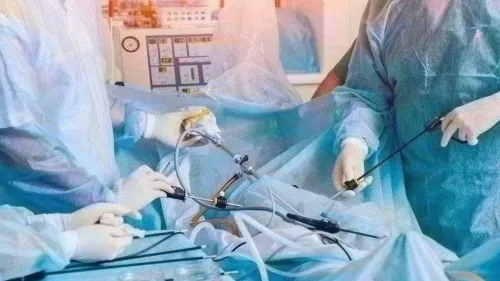
A normal cycle history can suggest ovulation; it is not the same as an AMH test. Diagnostic laparoscopy is reserved for suspected endometriosis, adhesions or tubal disease because it involves anaesthesia and risks of bleeding, infection and organ injury. An infertility specialist Pune patients consult can match each test to the suspected problem.
How the subfertility treatment process moves from diagnosis to follow-up
After testing, the subfertility treatment process in Pune usually follows a staged plan rather than an automatic move to IVF. The clinician reviews both partners’ results, identifies a cause or working diagnosis, and separates problems that need correction from those requiring fertility treatment.
- Consultation and diagnosis: Review the duration of infertility, age, ovarian reserve, ovulation, tubal status, sperm findings and previous treatment response. Correct thyroid or prolactin disorders when present, and address relevant medicines or medical conditions.
- Treatment selection: Fertility treatment options in Pune include timed intercourse, ovulation-induction medicines, ovulation induction with intrauterine insemination, and surgery for fibroids, polyps, endometriosis or blocked tubes. IVF or ICSI enters the discussion when the specific findings justify it; neither is automatically the first step.
- Monitoring: Cycle scans track follicle growth. Blood tests assess hormone response, and semen preparation is monitored for IUI when relevant. Poor response, excessive follicle development or a safety concern can require changing or cancelling a cycle.
- Pregnancy testing: Follow the clinic’s stated date for a urine or blood pregnancy test rather than testing too early, which can mislead you after fertility medicines.
- Follow-up: Before stimulation or assisted reproduction, ask about realistic expectations, alternatives, embryo-number decisions, multiple-pregnancy risk, ovarian hyperstimulation syndrome, medicine side effects and the plan after an unsuccessful cycle. Follow-up reviews the result and decides whether to repeat, change or stop treatment.
What to confirm before choosing a treatment plan in Pune
Do not consent to a package until each intervention is linked to a finding. The right fertility treatment options in Pune depend on ovulation, hormone results, sperm findings, tubal status, age and previous treatment—not a high AMH result or a discounted package.
| Option | Appropriate when | Ask before consent |
|---|---|---|
| Medication | An ovulation or hormone disorder needs correction | Which result supports it, and how will response be monitored? |
| IUI | Sperm delivery or mild sperm-factor problems fit the plan | Why IUI is preferable to timed intercourse or IVF? |
| Surgery | A fibroid, polyp, endometriosis lesion or blocked tube needs correction | What demonstrated problem will surgery fix, and why is it necessary? |
| IVF or ICSI | These offer a better chance for the specific case | Why this method, how many cycles, and why ICSI rather than conventional IVF? |
Ask what is essential or optional, and request a written total covering medicines, scans, blood tests, anaesthesia, theatre use, laboratory work, freezing and additional cycles. Also ask how complications are handled and whether male-factor care or an andrologist is available.
Before paying for assisted reproductive technology, request the clinic’s registration details and the written treatment and consent documents required under India’s Assisted Reproductive Technology (Regulation) Act, 2021 and related rules.
An infertility specialist Pune patients consult, including Dr. Mahindra Borse - Laparoscopic and Gynaec Endoscopic Surgeon in Pune, can help assess whether endoscopic surgery fits the findings. That is what infertility treatment for includes in Pune: evidence-led choices, not a price label.
Frequently asked questions
When should you see an infertility specialist in Pune?
Seek evaluation after 12 months of regular unprotected intercourse when the woman is under 35, or after 6 months when she is 35 or older. Start sooner for irregular periods, endometriosis, known reproductive problems, or other fertility concerns.
What happens during an infertility treatment consultation in Pune?
The consultation reviews both partners’ medical and reproductive history, previous pregnancies or treatments, menstrual patterns, medications, lifestyle factors, and the next diagnostic steps.
Which tests may be discussed for both partners?
The woman’s evaluation may include hormone testing, pelvic ultrasound, ovarian-reserve assessment, and checks for uterine or tubal problems. The man’s evaluation commonly includes semen analysis, with further tests guided by the findings.
How does the subfertility treatment process move from diagnosis to follow-up?
The process usually moves from history-taking and testing to a discussion of the likely cause, treatment choices, consent, treatment, monitoring, and a planned review of results or next steps.
What should you confirm before choosing fertility treatment in Pune?
Confirm the diagnosis being treated, expected timeline, monitoring schedule, medicines or procedures involved, total costs, risks, alternatives, success measures, and follow-up arrangements.