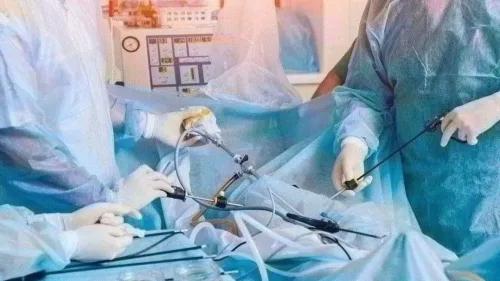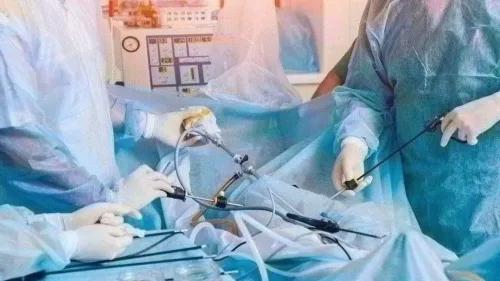
A hysteroscopy appointment can involve anything from an awake outpatient examination to a planned operation under general anaesthesia. Knowing why it has been recommended, how to prepare, what the team will do, and which symptoms need urgent attention helps you make practical decisions before you arrive.
Key takeaways
- Ask whether your hysteroscopy is diagnostic or operative.
- Discuss local, regional, or general anaesthesia before scheduling.
- Arrange an escort if sedation or general anaesthesia is planned.
- Ask when pathology results will be available and what they can show.
Why your doctor may recommend hysteroscopy and what happens before the appointment
Heavy menstrual bleeding, bleeding after menopause, repeated miscarriage, infertility, or an abnormal ultrasound can lead to hysteroscopy. Your doctor may also suspect a polyp, submucosal fibroid, adhesions, or a retained intrauterine device fragment.
Diagnostic hysteroscopy inspects the uterine cavity; operative hysteroscopy can remove a lesion, divide scar tissue, remove the fragment, or take an endometrial biopsy when planned and safe.
At your hysteroscopy appointment in Pune, expect questions about bleeding and pain patterns, fertility history, and previous cervical or uterine procedures. The clinician may perform a pelvic examination, pregnancy test, and medication review.
Tell the team about possible pregnancy, pelvic infection, allergies, unexplained heavy bleeding, previous difficult cervical access, warfarin or apixaban, and antiplatelet drugs such as clopidogrel.
Before deciding what to expect from hysteroscopy treatment Pune, ask:
- Is this diagnostic or operative?
- Could you take a biopsy or remove a polyp, fibroid, adhesion, or device fragment during the same visit?
- What fasting rules apply, and should you take or stop any regular medicine?
- Will you need an escort after sedation or general anaesthesia?
- How will you receive the specimen report, and which number handles problems after hours?
Diagnostic or operative hysteroscopy: choosing the setting and pain plan
Diagnostic hysteroscopy examines the uterine cavity and may include an endometrial biopsy. Operative hysteroscopy adds treatment: removing a polyp or small submucosal fibroid, dividing adhesions, removing a retained intrauterine device fragment, or taking planned tissue when access and safety allow.
The setting is chosen for the procedure, not simply because you are in Pune. An outpatient clinic, day-surgery unit, or hospital operating theatre may be appropriate, depending on cervical access, expected discomfort, medical history, your preference, and available monitoring.
| Option | What it involves | When it may apply |
|---|---|---|
| Awake procedure | No anaesthesia; you remain alert | Short diagnostic examination when you accept the discomfort |
| Oral analgesia or local anaesthetic | Pain medicine by mouth, with numbing at the cervix when needed | Diagnostic work or limited treatment |
| Conscious sedation | Medication reduces anxiety and awareness while you remain responsive | Greater discomfort or anxiety without full general anaesthesia |
| General anaesthesia | You are unconscious and monitored by an anaesthesia team | More extensive treatment or a theatre-based procedure |
Severe anxiety, anticipated cervical difficulty, extensive adhesions, a larger fibroid, or an incomplete office attempt can change the plan. A comfortable diagnostic attempt is not a guarantee that operative treatment belongs in the clinic.
At a consultation with Dr. Mahindra Borse - Laparoscopic and Gynaec Endoscopic Surgeon in Pune, ask these questions before booking a “uterine hysteroscopy Pune” or “hysteroscopy appointment Pune” service:
- Which setting and pain plan are proposed?
- What happens if the procedure cannot be completed comfortably?
- Will I need an escort after sedation or general anaesthesia?
Related service
Hysteroscopy Treatment in Pune Hysteroscopy Treatment in Pune What is a hysteroscopy? Hysteroscopy is a method that enables your doctor to see inside your uterus to diagnose and treat the causes of unusual... View service → |
The hysteroscopy treatment process from check-in to discharge
At a hysteroscopy treatment process Pune appointment, check-in begins with confirmation of your identity, medical history, medicines, allergies, last menstrual period, and any possibility of pregnancy. The team then confirms the planned diagnostic or operative hysteroscopy, answers questions, and obtains consent for examination, biopsy, or treatment.
1. You change into a gown and lie on the examination or operating table with your legs supported. A speculum may be inserted to view the vagina and cervix and guide access.
2. The clinician passes the hysteroscope through the vagina and cervix into the uterus. No abdominal incision is needed. Sterile saline expands the uterine cavity so the clinician can inspect the endometrium and the openings of the fallopian tubes.
3. During the same hysteroscopy procedure Pune appointment, the team may take an endometrial biopsy, remove a polyp, treat a small fibroid, divide scar tissue, or remove a retained device fragment when your consent, access, and safety allow.
4. Staff measure saline flowing in and out. Excessive absorption can cause fluid overload or electrolyte abnormalities, so the clinician may stop before completing the planned treatment if a safety limit is reached.
5. After removing the instruments, staff observe you while cramps, pain, or nausea receive treatment. You receive written instructions, warning signs, medicine guidance, and discharge arrangements, including an escort plan when sedation or general anaesthesia was used.
How long it takes, what you may feel, and what recovery involves
Ask the treating centre for separate estimates for a diagnostic examination, an operative treatment, and recovery. Check-in, consent, anaesthesia, treatment complexity, and monitoring make the total appointment longer than the time spent inspecting the uterine cavity.
During or after a hysteroscopy procedure in Pune, you may feel period-like cramps, pressure, cervical discomfort, or pain during operative treatment. Tiredness and nausea can follow sedation or anaesthesia; general anaesthesia can also cause a sore throat.
Light bleeding and cramping can continue for several days. Use sanitary pads while bleeding continues, and follow your clinician’s specific instructions about intercourse, swimming, tampons, and inserting anything into the vagina.
Use this discharge checklist:
- Arrange an escort if you receive sedation or general anaesthesia. Whether you can drive depends on the medicines used; do not drive while impaired or against the centre’s instructions.
- Contact the treating team urgently for heavy or worsening bleeding, severe or increasing abdominal pain, fever, foul-smelling discharge, faintness, or persistent vomiting.
- Ask whom to call outside clinic hours and when normal activities can resume.
Recognised complications include infection, bleeding, cervical injury, uterine perforation, fluid overload or electrolyte disturbance, and sedation- or anaesthesia-related problems. What to expect from hysteroscopy treatment in Pune depends on the planned procedure and pain-control method, so confirm these details before attending.
Results, pathology, and what hysteroscopy can and cannot explain
The hysteroscopy treatment process in Pune may give you an immediate description of the uterine cavity, but the appearance is not the final diagnosis. Tissue removed during the procedure commonly goes to histopathology as a separate report.
| Immediate visual impression | What it shows | What it cannot establish |
|---|---|---|
| Cavity inspection | Location and appearance of a polyp, fibroid, scar, or other lesion | Whether the lesion is benign or malignant |
| Histopathology | Microscopic examination of removed tissue | Causes outside the sampled area |
Ask when the laboratory and clinic expect the histopathology report, how you will receive it, and who will explain its wording. A normal ultrasound does not always exclude a cavity lesion; hysteroscopy permits direct assessment and tissue sampling. That distinction matters when considering what to expect from hysteroscopy treatment in Pune.
Hysteroscopy does not explain every cause of bleeding or infertility. Adenomyosis, hormonal disorders, tubal blockage, and disease outside the uterine cavity need different tests or treatment, so a normal hysteroscopy does not exclude them.
Before leaving, confirm:
- Medicine instructions, including anything to start, stop, or avoid
- Activity restrictions and when intercourse, swimming, tampons, or vaginal medicines can resume
- The emergency contact number for the clinic or hospital
- Your follow-up date and who will review the pathology
- The plan if the report is abnormal or symptoms continue, worsen, or require further care
Frequently asked questions
Why might a doctor recommend hysteroscopy?
Doctors use hysteroscopy to investigate heavy menstrual bleeding, postmenopausal bleeding, repeated miscarriage, infertility, abnormal ultrasound findings, polyps, submucosal fibroids, adhesions, or retained intrauterine device fragments.
What is the difference between diagnostic and operative hysteroscopy?
Diagnostic hysteroscopy examines the inside of the uterus. Operative hysteroscopy also treats findings such as polyps, selected submucosal fibroids, adhesions, or retained tissue during the procedure.
How long does hysteroscopy take and what is recovery like?
The procedure length depends on whether treatment is needed. You may experience cramping and light bleeding afterward, and your discharge instructions will specify activity limits, warning signs, and follow-up.
What can hysteroscopy and pathology results explain?
Hysteroscopy can identify and sometimes treat abnormalities inside the uterine cavity. Pathology can examine removed tissue, but hysteroscopy cannot explain every cause of infertility, bleeding, miscarriage, or pelvic pain.